
Twilight Walks: 10 UK Routes for an After-Sunset Stroll
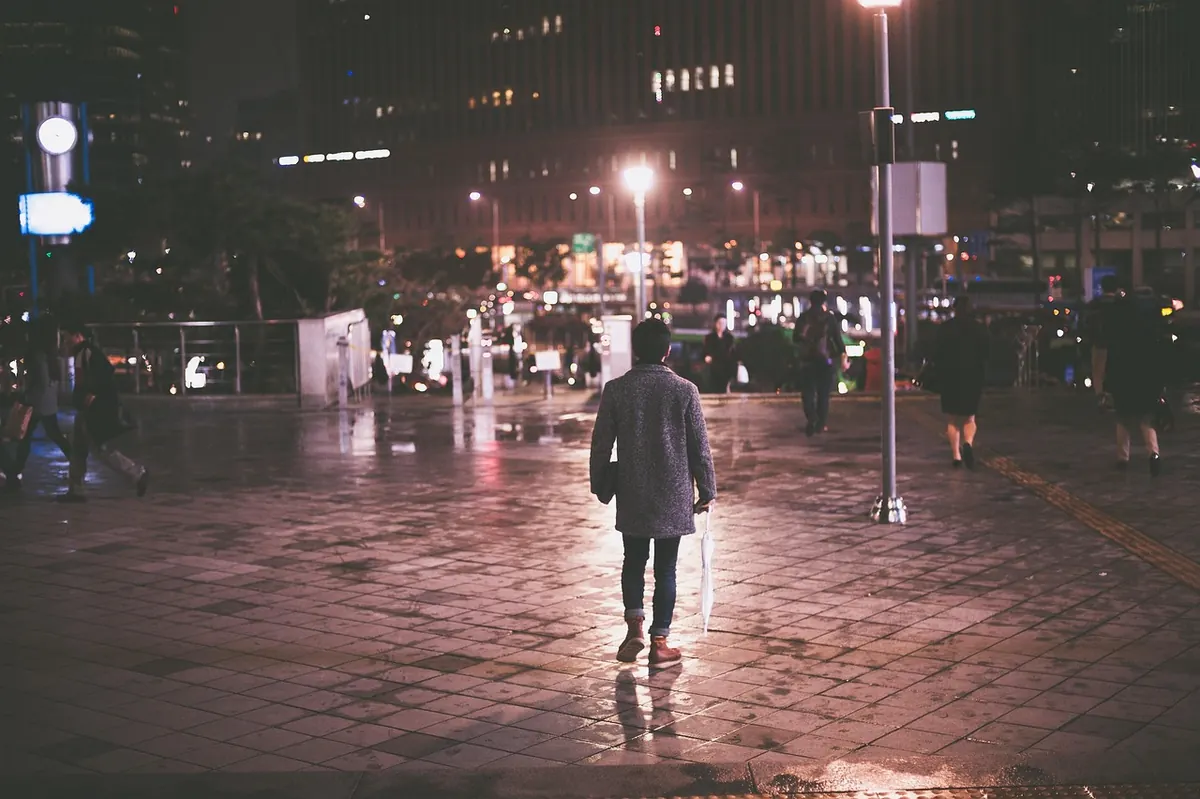
Dusk is the hour Britain does best. In June it stretches past ten o'clock; in December it is over by half four, and both versions are worth going out for. The crowds thin, windows begin to glow, and routes you know by daylight take on a different character entirely.
The ten walks below are the ones worth saving for after sunset: city riversides with proper lighting, flat coastal promenades, and a few wilder options for nights when you want the dark to do the talking. Most need no car at all if you plan the last bus or train home.
Check First, Walk Later
Before committing to an evening route, four things decide whether it will be a pleasure or a trudge.
- Lighting. Some councils publish lighting maps for riverside and promenade paths. Where they do not, ask locally, or check a satellite view for lamp posts. A lit route is not the same as a safe route at eleven at night, but it helps.
- Surface. Tarmac, gravel, stone steps, tree roots and wet clay all feel very different in the dark. A path you stride along in daylight becomes slow work by torchlight.
- Access times. Many country parks, National Trust estates and Forestry England car parks close at dusk. Footpaths that cross private land sometimes have seasonal evening restrictions, so check the landowner's website rather than assuming.
- Tides and weather. Estuary, harbour and beach routes need a tide table. Wind off the sea is colder than the same temperature inland, and wet stone steps are a genuine hazard.
If you are unsure, walk the route once in daylight first. It sounds obvious; almost nobody does it.
City Riverside Loops
Newcastle Quayside
The Tyne does the lighting for you here. Cross the Millennium Bridge to the Gateshead side, follow the water past the Sage, and come back over the Swing Bridge. It is about two miles, all tarmac, and lit the whole way. The reflections under the Tyne Bridge are the reason to come after dark rather than before. Stay on the main banks later in the evening; the Ouseburn Valley path behind the quayside is a good deal darker.
Bristol Harbourside
A flat loop of roughly two and a half miles around the Floating Harbour, taking in Pero's Bridge, the ss Great Britain and a string of moored boats. Lighting is good, the surface is smooth, and there are plenty of places to stop. Watch for cyclists on the shared stretches, and keep children back from the water — the harbour is deep and the edges are not all fenced.
London's South Bank
Westminster Bridge to Tower Bridge is about two and a half miles and probably the best-lit riverside walk in the country. It is busy, which is part of the appeal: buskers, food stalls, the Tate, the Millennium Bridge shining downstream. Do not be tempted onto the foreshore mud at night, however low the tide looks.
Manchester, Castlefield
Brick arches, the Bridgewater Canal and the remains of the Roman fort, with Deansgate's lights above. A short loop of a mile or so is enough. Towpath lighting is patchy under the bridges and headroom is low in places, so keep the torch handy. If you want something brighter and livelier, the Rochdale Canal through the Gay Village is better lit and busier.
Coastal Promenades
Brighton and Hove
The promenade runs roughly three miles from Brighton Palace Pier west to Hove Lagoon: wide, flat, lit, and open to the weather. Keep to the pedestrian half — the cycle lane catches out visitors every evening. Kiosks and cafés thin out towards Hove, so take water. Winter is arguably the best time: fewer people, sharper air, and the pier lights doing their thing offshore.
Llandudno
A Victorian promenade of about a mile and a half between the two headlands, lit and level, with the pier at one end and the sweep of the bay ahead of you. The Great Orme and the Little Orme frame the whole walk. Do not carry on around Marine Drive after dark; that road is unlit, narrow and exposed, and it is a daytime route.
Whitby Harbour
The harbour, the swing bridge and the whalebone arch on the West Cliff are all easily reached on foot and lit well enough for an evening wander. The 199 steps up to St Mary's churchyard are steep, uneven and dimly lit in patches, so take a torch and go slowly. The abbey ruins are closed at night. Check tide times if you plan to walk along the sands.
Quiet Water and Real Darkness
Friar's Crag, Keswick
A mile from the town centre along the shore of Derwentwater, and unlit from the moment you leave the road. Expect roots, stones and tree cover. The reward is the view back over the water with the fells behind it. The full circuit of the lake is a long day walk, not an evening one — treat the crag as the destination and turn back.
The Water of Leith, Edinburgh
Dean Village to Stockbridge
Photo: galdae79 / Pixabay