
Gallery Late Nights: How to Make the Most of After-Hours Art Events
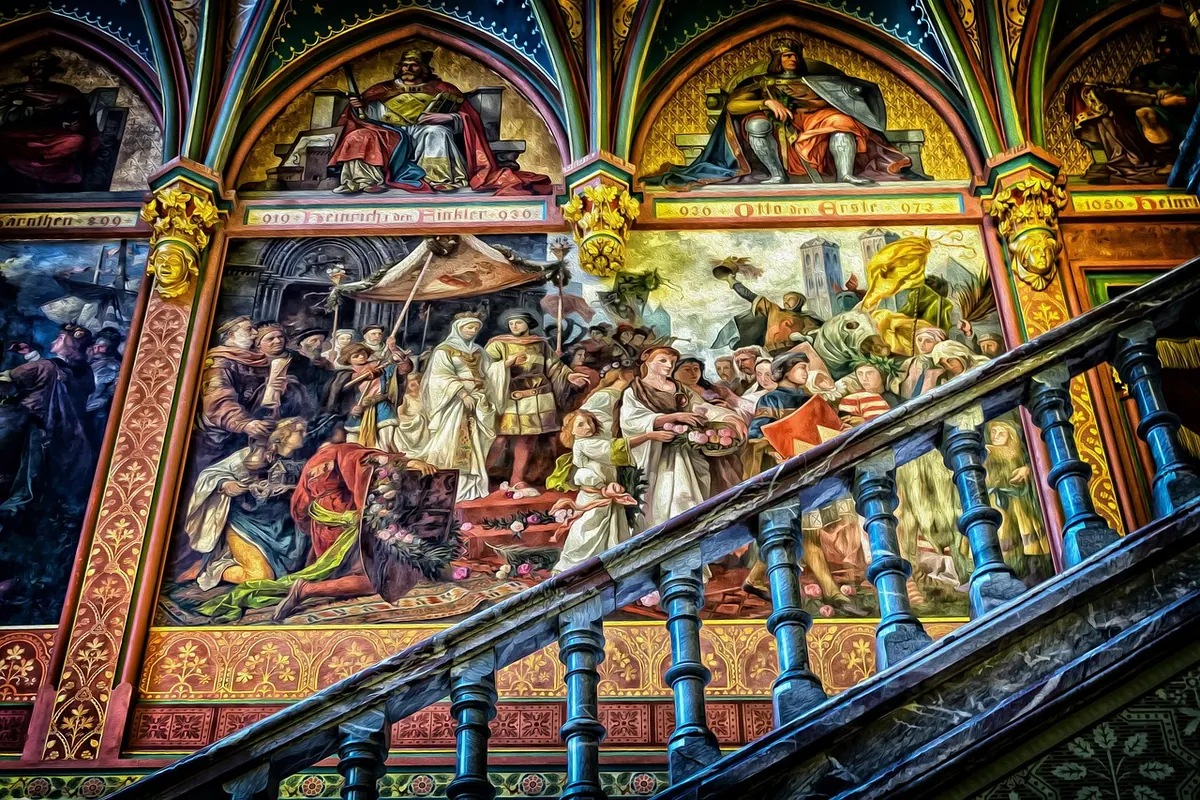
Somewhere between the end of the working day and the start of the weekend, the gallery late has quietly become one of the best evenings out in Britain. The doors stay open, the rooms fill with a different kind of crowd, and a bar appears somewhere near the sculpture court. You see art without the school groups. You see a building after dark, which is a pleasure in itself. The catch is that a badly planned late can leave you queueing for a lukewarm drink with eleven minutes to spare in the one room you actually came to see.
What a Gallery Late Actually Is
A gallery late is exactly what it sounds like: an evening opening, often monthly, where a museum or gallery stays open past its usual hours and adds a programme of things to do alongside the collection. Tate, the V&A, the National Gallery and the Barbican run them, and so do regional museums, small public galleries and the occasional commercial space launching a new show.
The formula varies. At its simplest, a late means extended hours, a bar and a DJ in the entrance hall. At its most ambitious, it means short talks, curator-led tours, life drawing, film screenings and a takeover by a guest programmer or collective. Some are free, with individual talks or workshops ticketed separately. Others charge a modest entry fee for the whole evening. Times differ, but most run from around 6pm to 10pm, with last entry earlier than you would expect.
Booking: Five Minutes Now, an Hour Saved Later
Lates sell out. If the venue is well known and the theme is a good one, tickets can go within days of release, so it pays to be on the mailing list rather than reading about it afterwards.
- Join the email list for the two or three venues you genuinely like. That is how you hear about dates first.
- Check whether entry is free, free with a timed ticket, or paid. Free events often still require booking.
- Read the individual event listings, not just general admission. A talk or a drawing session may need its own ticket.
- Note the last entry time, which is frequently an hour or more before the event finishes.
- Check the bag policy and cloakroom arrangements before you travel. Large bags and umbrellas are often refused.
- If you are a member, see whether there is a priority booking window or a members' room open on the night.
If your plans change, look for the venue's returns or resale system rather than letting the ticket go to waste.
Plan a Loose Route, Not a Timetable
Pick two things you genuinely want to do and let the rest happen. A late with six items on your list is a late spent walking briskly past art.
A practical sequence: arrive after the first rush rather than at the stroke of opening, drop coats at the cloakroom, find out where the bar is, then go straight to the thing you came for while you are still fresh. Talks fill up early and latecomers are sometimes turned away. Workshops rarely start on time, but they do close their doors.
Leave the final half hour free. That is when the galleries thin out, the DJ is playing to the room rather than to the queue, and you can stand in front of something properly without three people photographing it over your shoulder.
How to Look at Art When the Room Is Busy
Choose a room and stay in it. Ten minutes in one gallery beats forty minutes drifting through eight. If you want quiet, head upwards: upper floors and smaller temporary displays are usually calmer than the ground-floor blockbuster. If a work is buried behind a crowd, walk on and come back later. Crowds move in waves.
Use the format to your advantage. A drawing workshop forces you to look at one object for twenty minutes. A short talk sends you back into the room with something specific to notice. An audio guide or a pair of headphones gives you a private layer of attention in a public space.
And do not try to see the whole collection. Nobody manages it, and the attempt is exactly what makes an evening feel rushed.
Going Alone, or With People Who Wander Off
Lates are among the easiest cultural events to attend solo. There is no seating plan, no interval and no obligation to make conversation. If you would like company, the workshop table is a better starting point than the bar: you are doing something with your hands, and there is a shared subject to talk about.
With friends, agree a meeting point and a rough time to regroup early in the evening, then split. The friend who wants the curator's tour and the friend who wants the bar are both better off doing their own thing for an hour.
Getting Home Without a Scramble
Check your last train before you go in, not at 10.15pm on the steps. Lates tend to finish earlier than club nights, which helps, but the last services out of city centres are unforgiving, and weekend engineering works catch people out. Note when the cloakroom closes, which is often before the bar, and do not abandon a coat because the queue moved.
If you are driving, look up parking in advance; museum car parks close with the building. If you are relying on night buses, work out the stop before you have a drink rather than after.
A Short Checklist for the Night Before
- Ticket booked, or free timed entry confirmed.
- Two events chosen, one of them early in the evening.
- Route home checked, including the last train.
- Bag small enough for the cloakroom, or left at home.
- Nothing demanding planned for the next morning.
Book early, arrive unhurried, choose less than you think you should, and stay for the last half hour. The best part of a gallery late is almost always the quiet bit at the end.
Photo: Tama66 / Pixabay